Esaturn Vape
1 / 5
We jointly manufacture and export a variety of casting products for architectural, automotive, and mechanical parts. Our main product line includes sand casting, precision casting, investment casting, lost wax casting, die casting, forging, and CNC machining.
Materials vary from gray iron casting, ductile iron casting, metal casting, steel casting, aluminum casting, bronze casting, stainless steel casting, and so on. We export to more than 20 countries on 6 continents and have been doing so for more than 10 years.
We have a strong and highly efficient R&D team which can design and make OEM/ODM products according to your ideas and samples. In order to ensure the quality of the orders, our independent QC members carry out strict inspection at each stage:
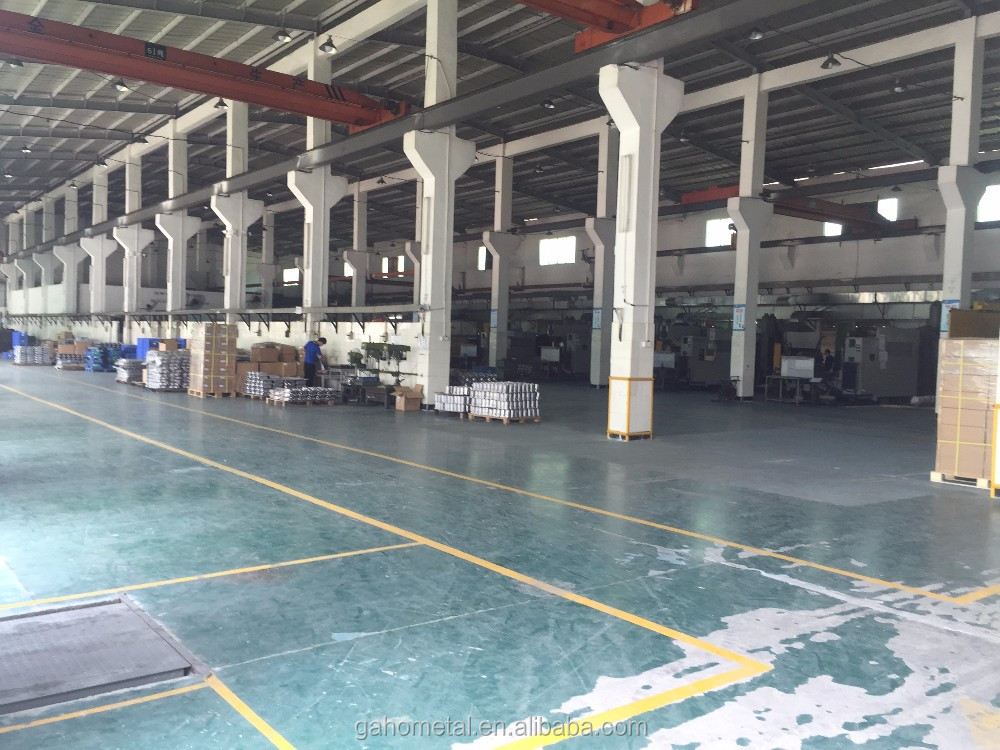
We own automated casting lines, CNC machining, CMM inspection, spectrometers, MT testing equipment, and X-ray technologies. To benefit from our strong OEM/ODM capabilities and considerate services. We will sincerely create and share success with all clients.
Our goal is not only to provide high quality products, but also to maintain a personalized and professional relationship with each customer. No matter how big or small your requirement, we will do our best to meet your demand. Our sales group has extensive casting expertise, as well as sound market knowledge and resources to help you make well-informed purchasing decisions. Furthermore, our sales professionals provide prompt after-sales service and support to ensure a smooth purchasing experience.
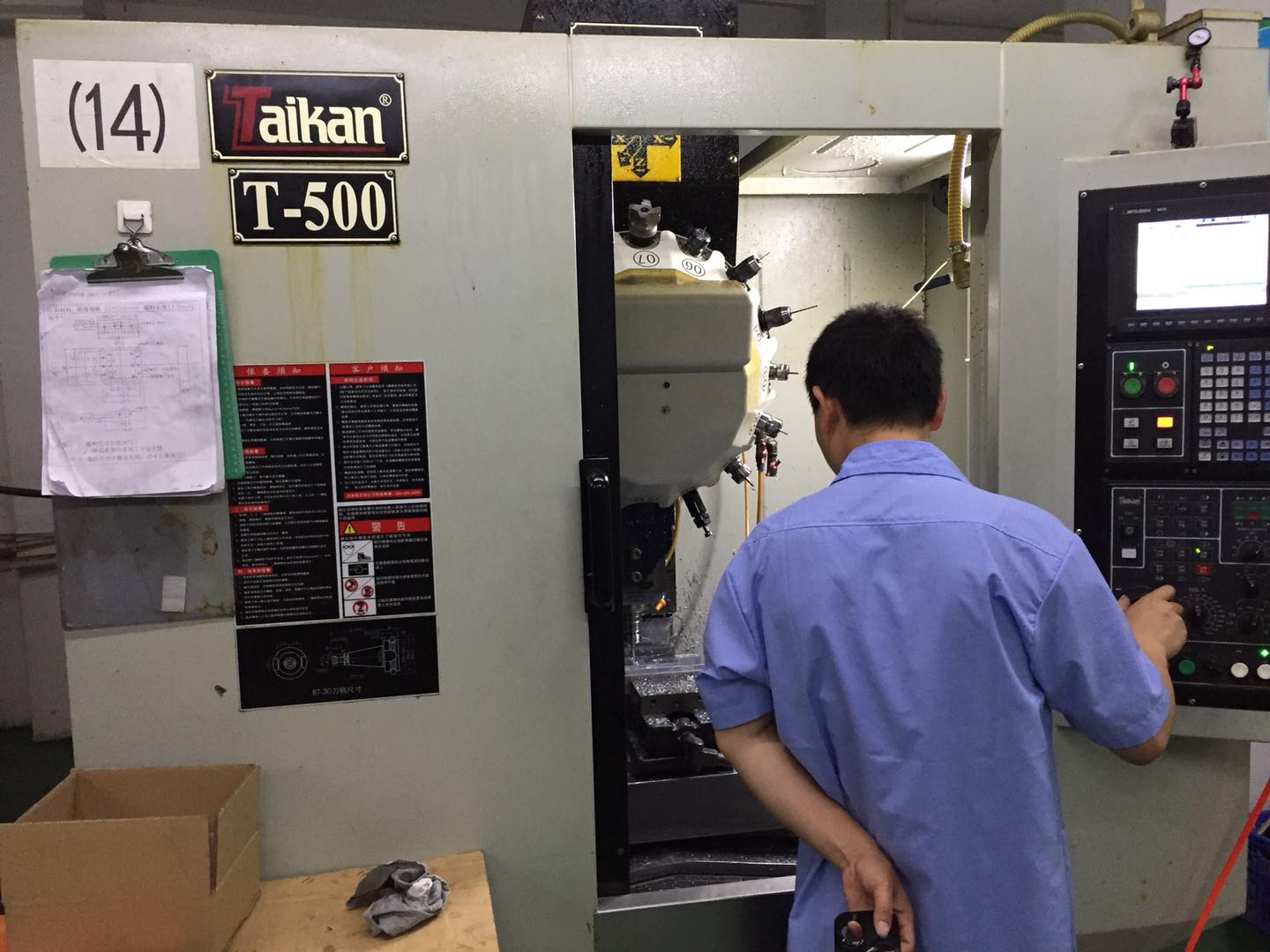
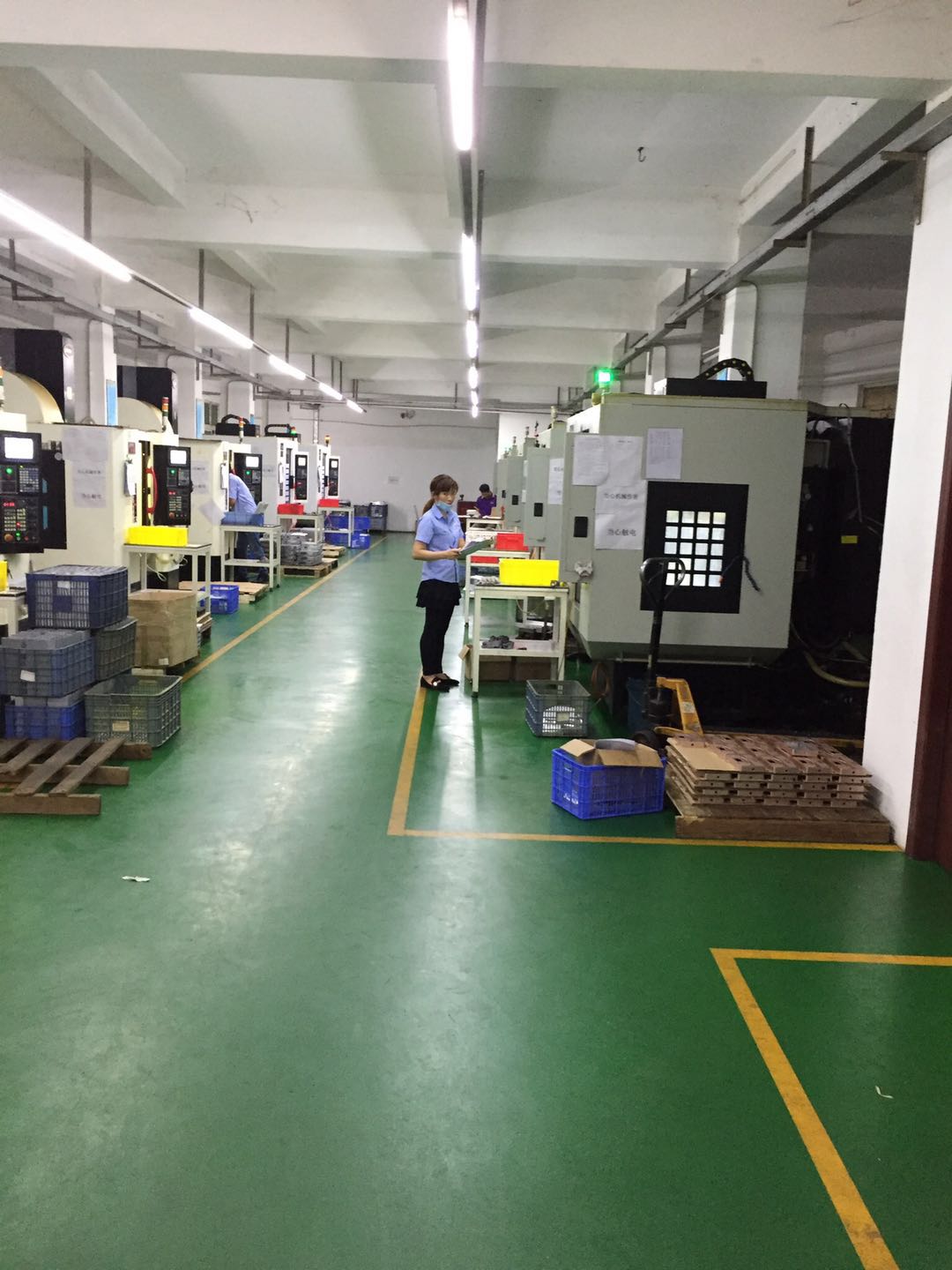
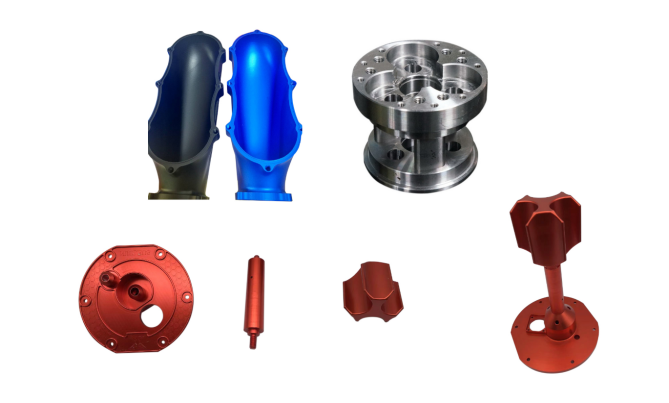
General CNC processing usually refers to the computer digital control of precision machinery processing, including CNC machining lathes, CNC machining milling machines, CNC machining boring and milling machines, etc.
Note: The disadvantage of CNC machining is that the cost of machine tool equipment is expensive, and maintenance personnel are required to have a higher level.
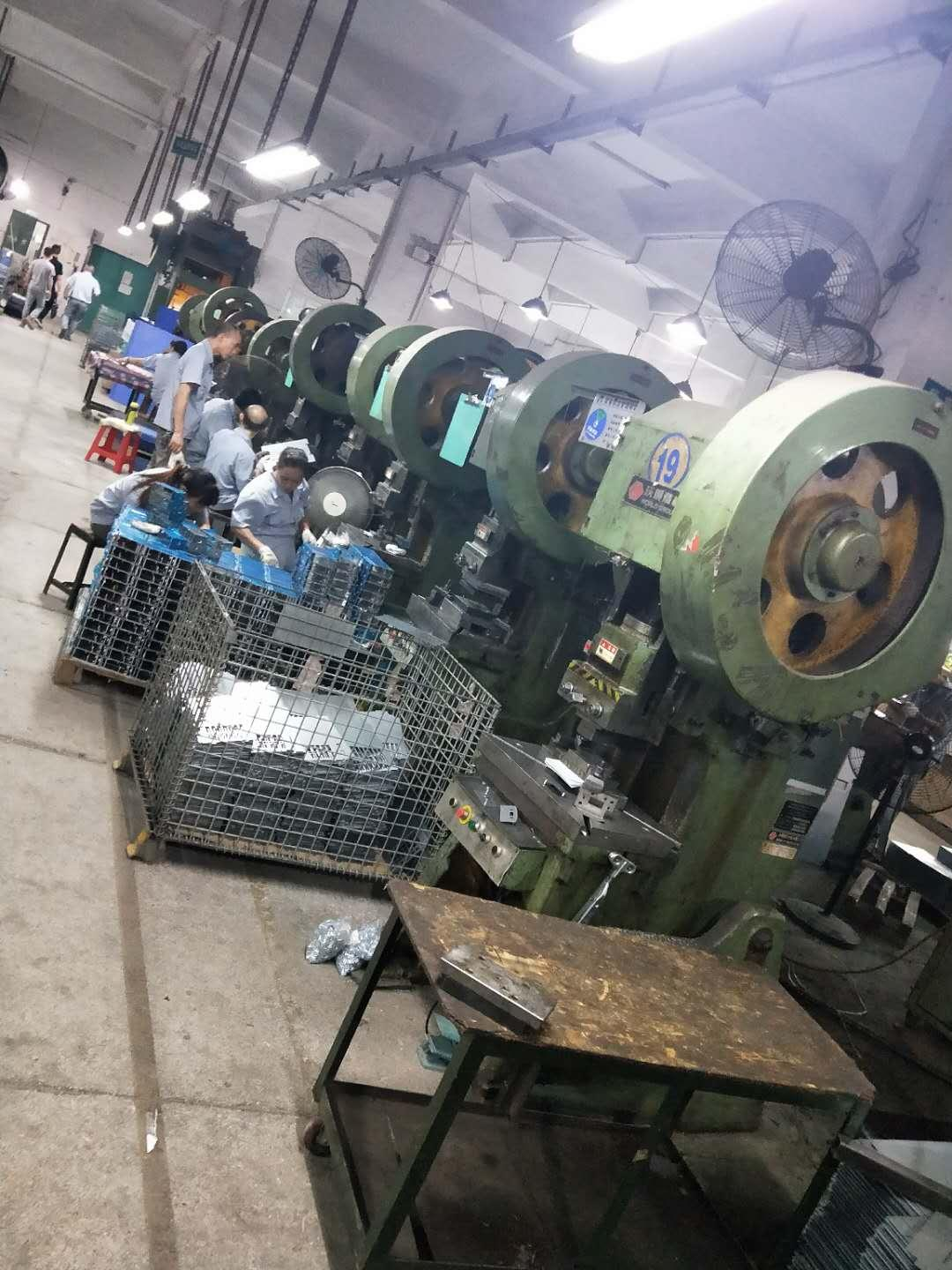
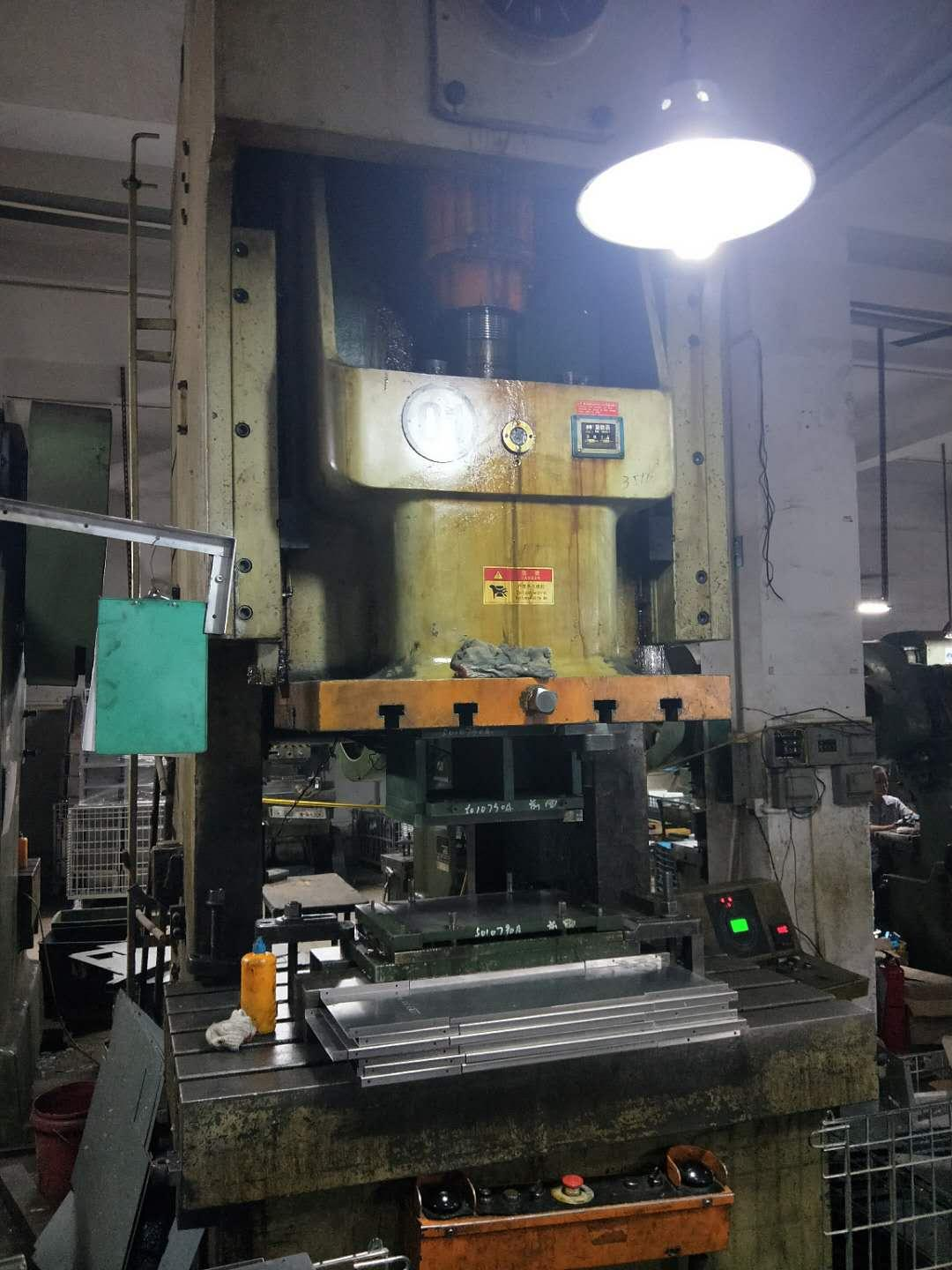
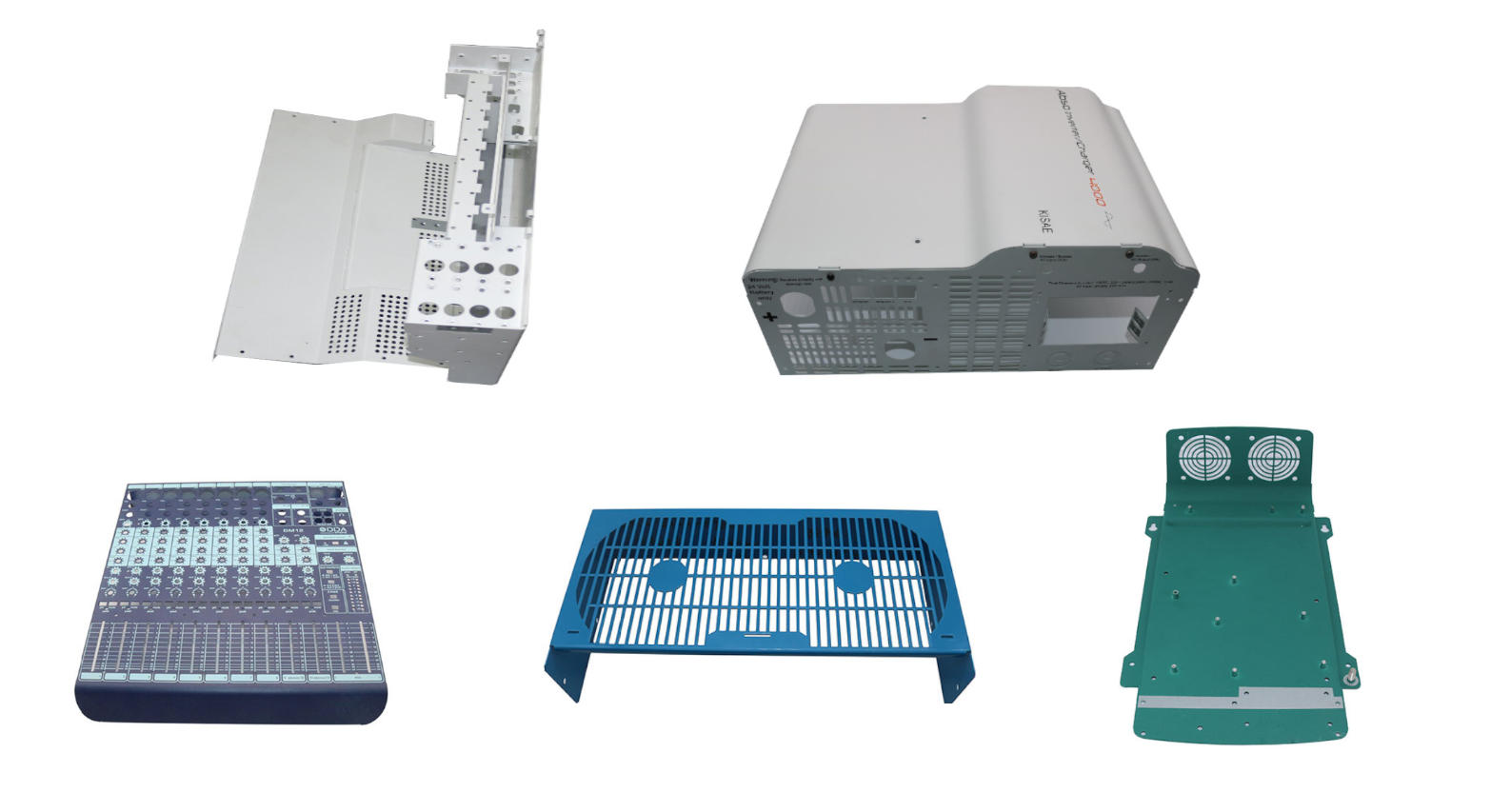
The metal plate is made into various plate-like parts, shells, and container type workpieces, or pipe fittings are made into tubular workpieces using molds under press. This cold forming process is called cold stamping, or stamping for short. Stamping processing is divided into hot stamping and cold stamping depending on temperature. Hot stamping is suitable for sheet metal with high deformation resistance and poor plasticity. Cold stamping is carried out at room temperature and is common for thin plates.
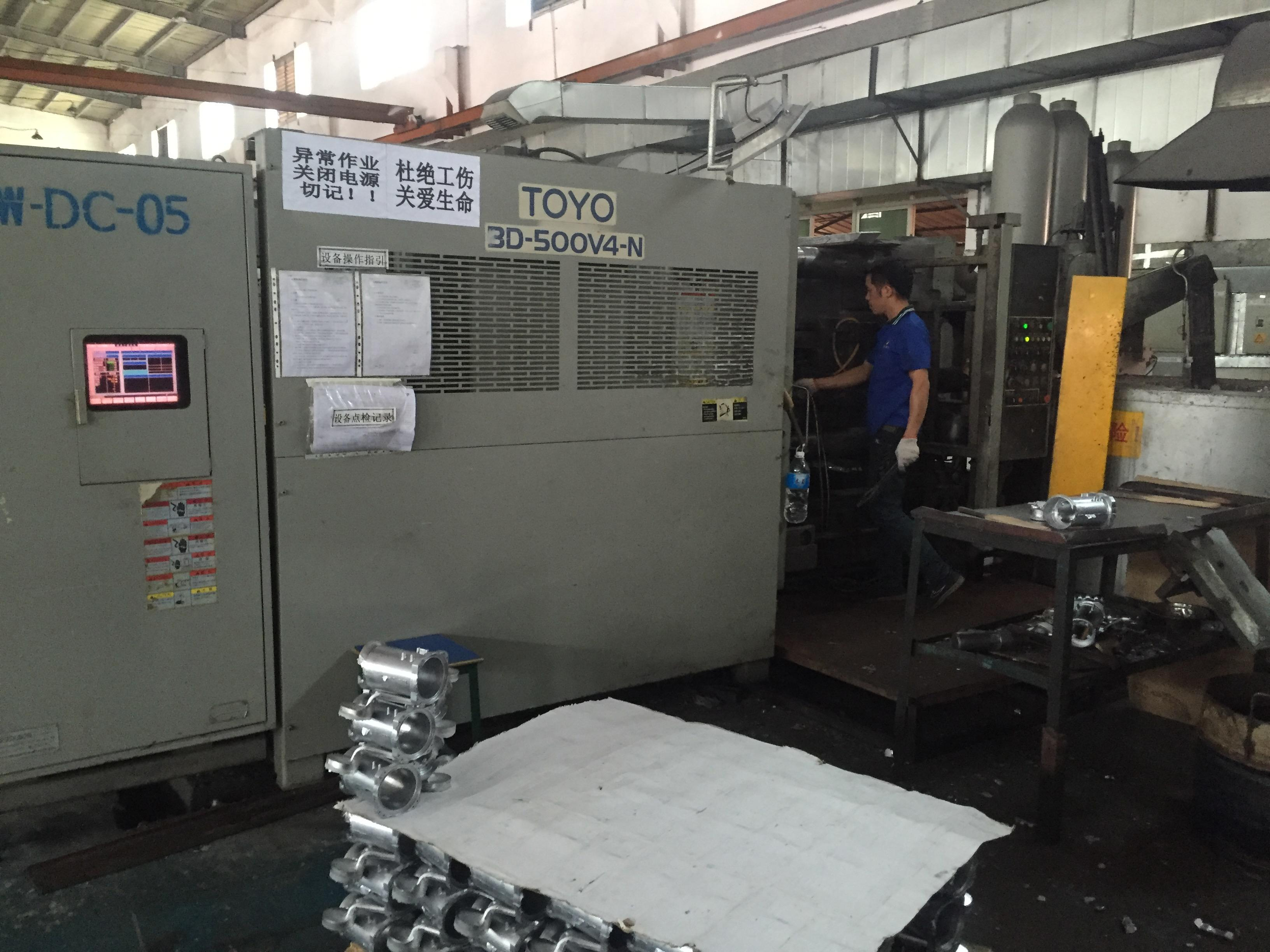
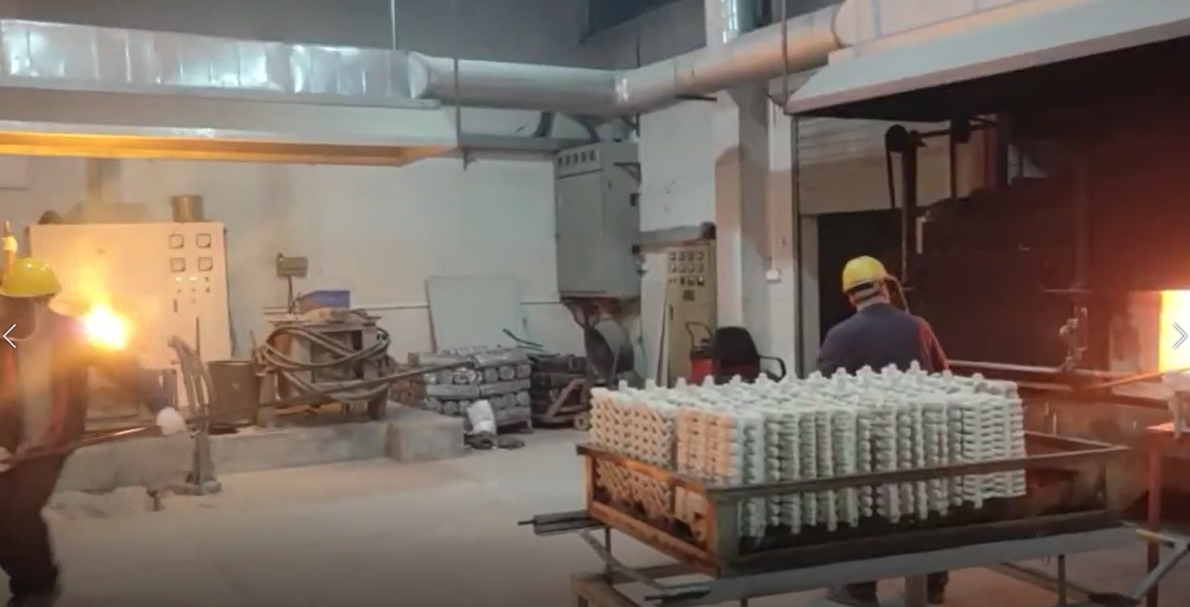
Casting is a process of melting metal into a liquid that meets certain requirements and pouring it into a mold. After cooling, solidification, and cleaning treatment, castings with predetermined shape, size, and performance are obtained.
Gray cast iron, Ductile cast iron, Malleable cast iron, and Cast steel (commonly used to cast nonferrous metals).
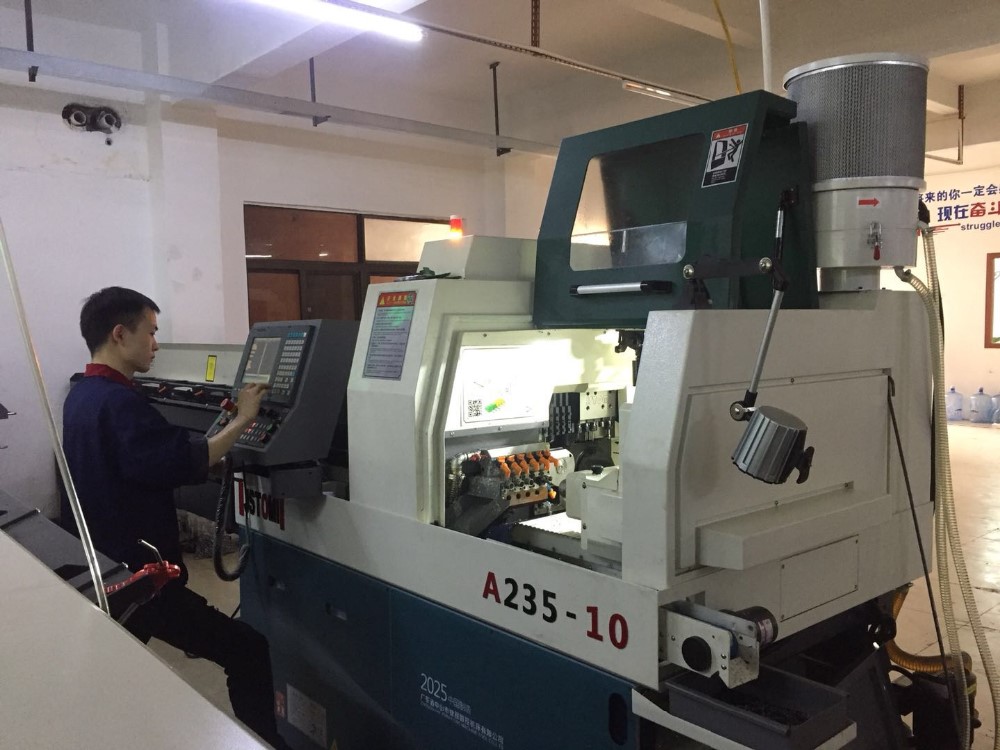
The lathe is a machine tool that mainly uses the turning tool to turn the rotating workpiece. Drills, reaming drills, reamers, taps, dies, and knurling tools can also be used on the lathe for corresponding processing procedures.
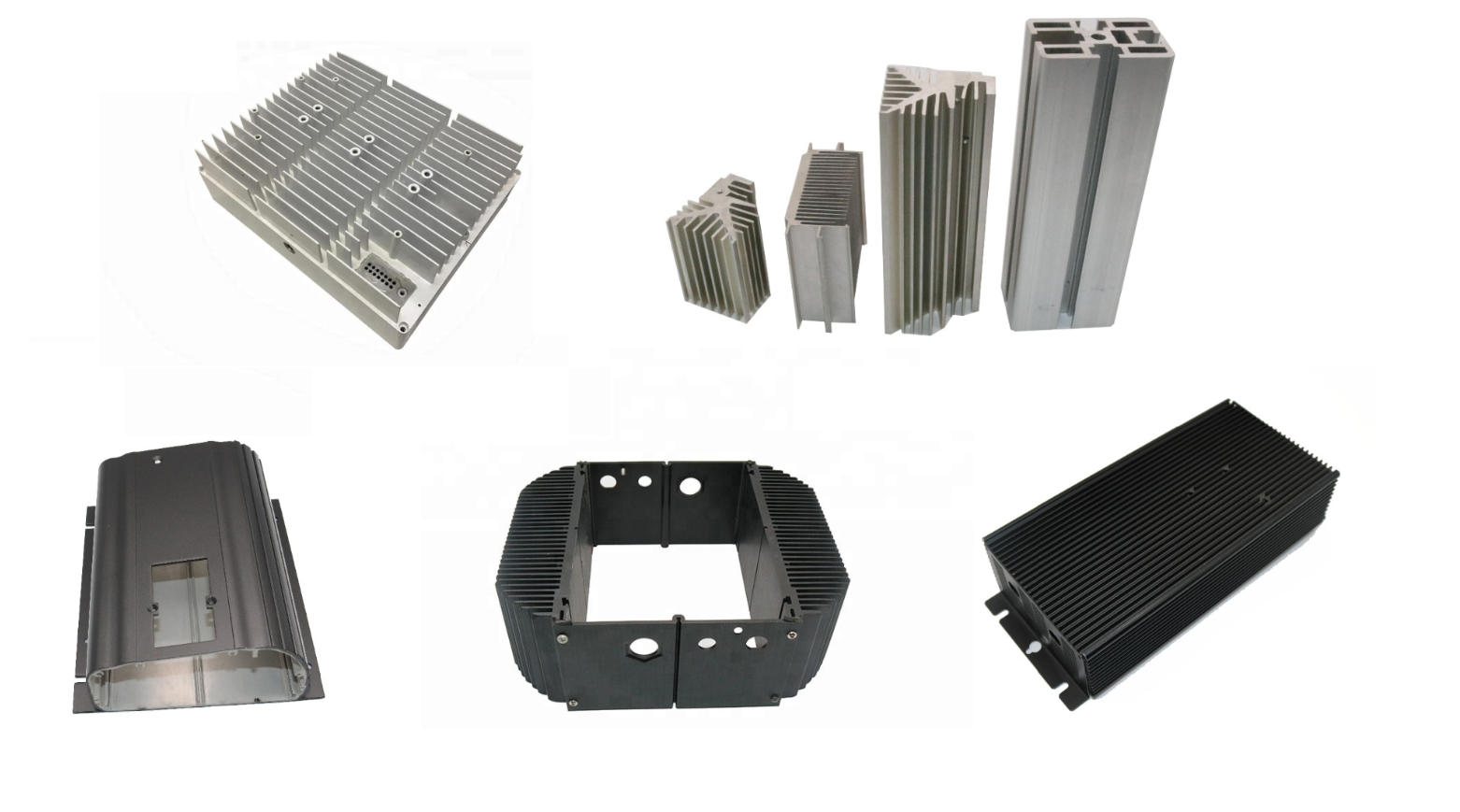
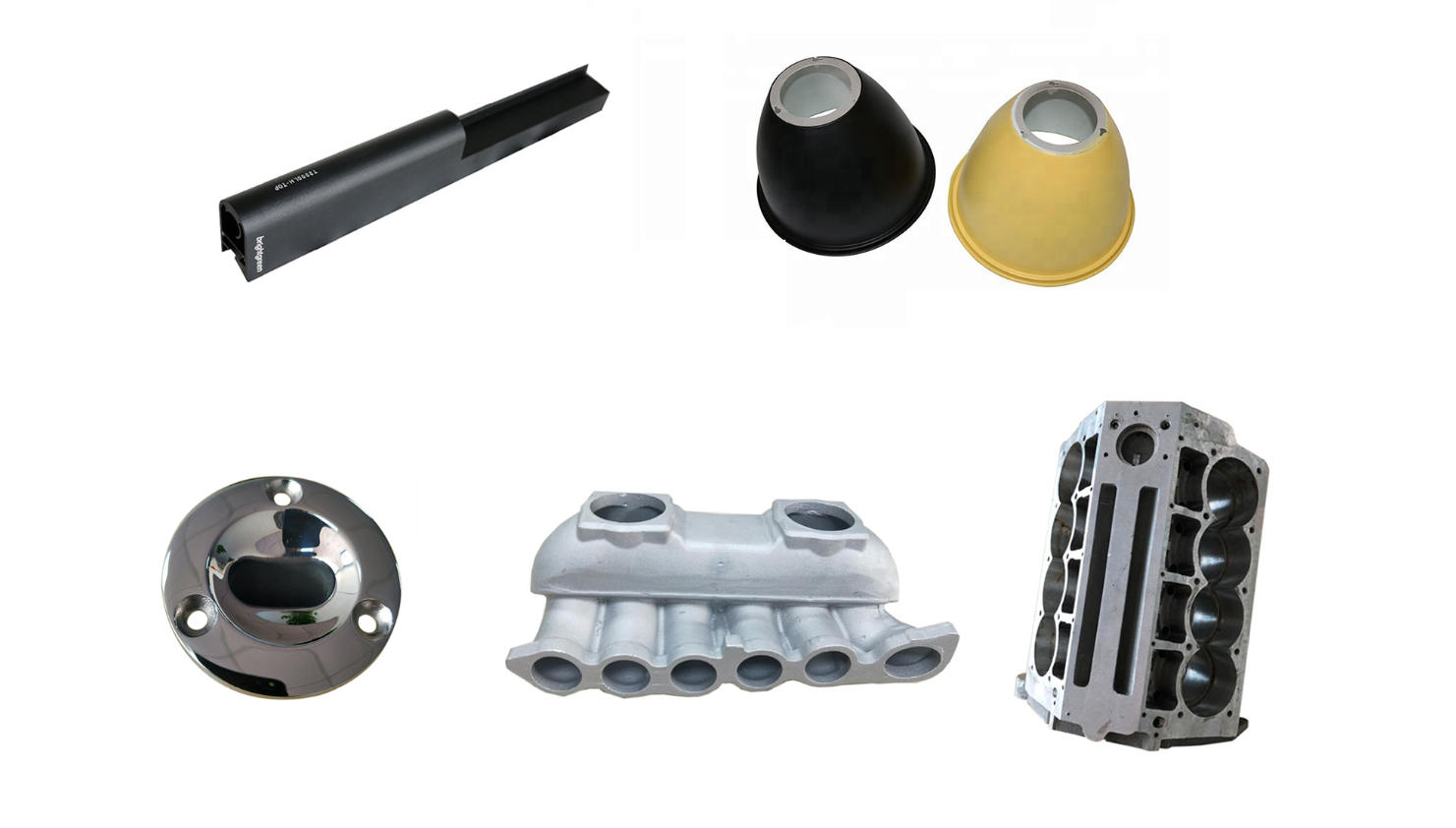
As a hardware manufacturer, we can produce a vast range of products, including precision CNC machining metal parts, die casting metal parts, and lathe metal parts. Our capability covers projects across industries, furniture, schools, facilities, and any custom hardware designs. We customize any non-standard metal parts for our clients based on specific drawings and requirements.
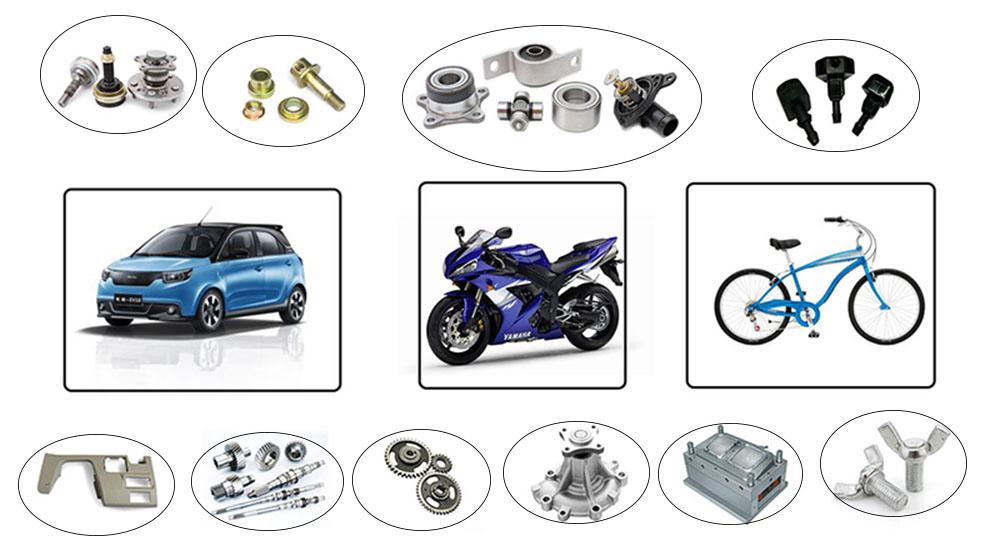
We offer a wide range of casting services including sand casting (common sand mold core and sand core methods), precision casting (lost wax/investment casting), lost foam casting (EPC), die casting (pressure casting), gravity casting, centrifugal casting, gypsum mold casting, continuous casting, and metal mold casting.
Our material capabilities vary from gray iron casting, ductile iron casting, metal casting, steel casting, aluminum casting, bronze casting, to stainless steel casting, and other related alloys.
CNC machining greatly reduces the necessity of complex tooling for intricate shapes. It provides stable machining quality, high precision, and consistent repeatability. It increases efficiency in multi-variety and small-batch production while allowing the processing of complex, unobservable surfaces.
Hot stamping is used for sheet metal processing requiring high deformation resistance and dealing with poor material plasticity. Cold stamping is performed at room temperature and is the most common stamping method for thin plates.
Stamping materials must have accurate and uniform thickness, a smooth surface without cracks, scars, or scratches, uniform yield strength, high uniform elongation, a low yield ratio, and low processing hardening properties.
Yes, we specialize in custom manufacturing of non-standard metal parts, precision CNC machining parts, die casting parts, and lathe parts based on specific customer ideas, drawings, and samples.